Source English Pint Beer Glass for Bars Hotels and Restaurants
Find 30 verified listings for the english pint beer glass suitable for bars, hotels, and restaurants. Buyers can compare specifications, certifications, and pricing from manufacturers in China offering customization and free samples.
Key considerations
Products List


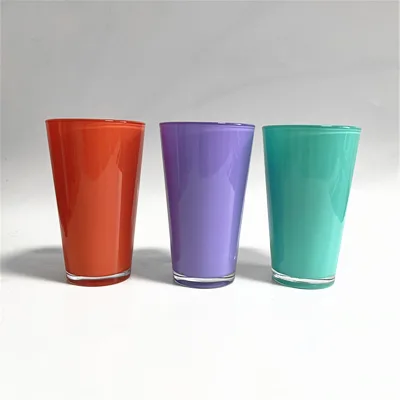
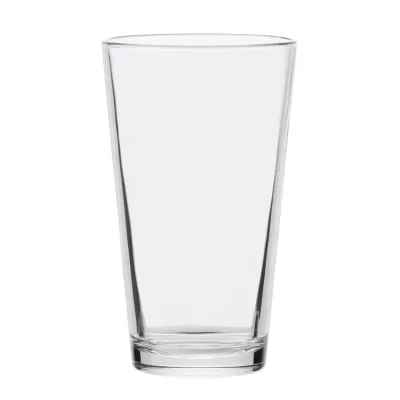
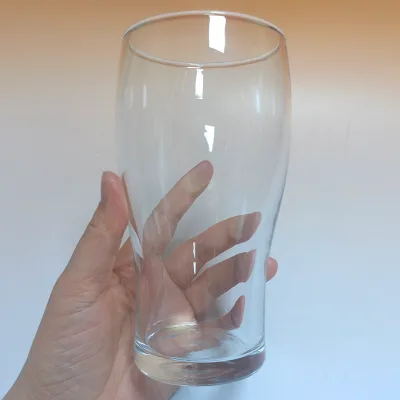




Comprehensive Sourcing Guide
Strategic Sourcing Guide for English Pint Beer Glass Procurement
The global market for English pint beer glassware presents a distinct procurement challenge due to the specific dimensional and functional requirements of the "pint" standard. Unlike generic drinking glasses, these vessels must adhere to precise volume capacities and structural integrity to ensure proper head retention and pour characteristics. For buyers sourcing these items, particularly from manufacturing hubs in China, understanding the intersection of technical specifications, regulatory compliance, and supply chain logistics is essential. This guide synthesizes available product data and industry standards to provide a disciplined framework for evaluating suppliers and securing high-quality inventory.
Technical Specifications and Dimensional Standards
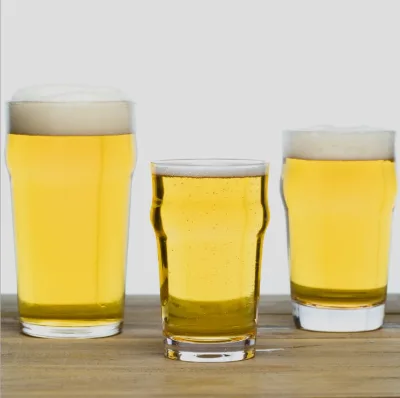
The primary technical differentiator for an English pint beer glass is its capacity and physical form. Based on observed product attributes, the standard capacity for these vessels typically ranges between 16 oz (480 ml) and 20 oz (approx. 590 ml). While the term "pint" historically refers to 20 imperial fluid ounces, commercial manufacturing often accommodates variations, with 16 oz and 20 oz models being the most prevalent in current listings. Buyers must verify the exact volume capacity against their local legal metrology requirements, as discrepancies can lead to compliance issues in regulated markets.
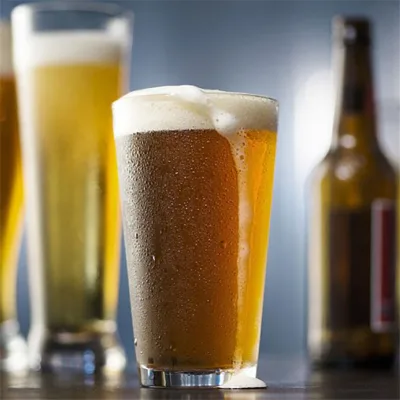
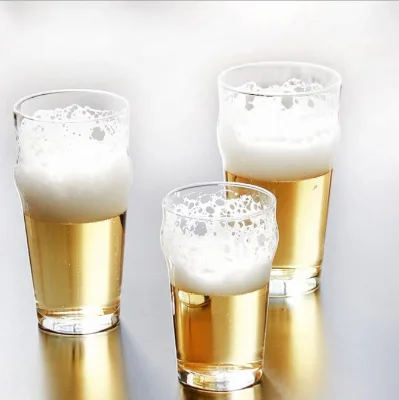
The physical geometry is equally critical. The dominant design style observed is the "Cylindrical Shape," often described with a "Classic" or "Simple" aesthetic. This form factor is distinct from the tapered tulip or the curved pint glass, offering a robust structure suitable for high-volume service. The material composition is consistently identified as "Glass," specifically "Clear Glass" or "Crystal Glass," which ensures visual clarity and a premium feel. The construction type is predominantly "Single Wall," a standard feature for pint glasses that balances thermal conductivity with durability.
Packaging specifications reveal significant logistical data points. Standard cartons often contain 48 pieces per unit, with dimensions varying based on the specific model. For instance, one observed standard packing configuration measures 52x42x35 cm with a gross weight of 14 kg per carton, while another variant lists 55x50x40 cm with a weight of 12 kg. The single package size for individual units is noted around 25x15x15 cm. These dimensions are vital for calculating container loading efficiency and freight costs. Buyers should request specific carton dimensions and weight data for every SKU to optimize their shipping strategy, as minor variations in glass thickness or packaging density can drastically alter the number of units per 20-foot or 40-foot container.
Regulatory Compliance and Certification Verification
Navigating the regulatory landscape is a non-negotiable aspect of sourcing food-contact glassware. The supply chain data indicates a strong emphasis on international safety and environmental certifications. Commonly observed certifications include LFGB (German Food and Feed Code), FDA (US Food and Drug Administration), CE / EU (European Conformity), ROHS (Restriction of Hazardous Substances), and REACH (Registration, Evaluation, Authorization and Restriction of Chemicals). Additionally, EEC and CIQ marks are frequently cited, indicating compliance with European Economic Community standards and Chinese Inspection and Quarantine protocols.
For buyers targeting the European market, LFGB and REACH are the primary benchmarks for chemical safety, ensuring that the glass does not leach harmful substances like lead or cadmium into beverages. The FDA certification is essential for the US market, verifying that the glass meets specific migration limits for heavy metals. The presence of ROHS and CE marks further confirms that the manufacturing process adheres to environmental directives regarding hazardous substances and general product safety.
However, the mere presence of a certification claim on a product listing does not guarantee current validity for a specific batch. Buyers must treat these certifications as observations of the supplier's general compliance capability rather than automatic guarantees for every unit. It is imperative to request valid, up-to-date test reports from accredited third-party laboratories that specifically reference the product model numbers (e.g., XZ88148, XZD750, WG-06). The procurement team should verify that the test reports cover the specific glass composition and coating materials, especially if custom logos are applied using laser, spray, decal, or paint methods, as these processes introduce additional chemical variables.
Cost Drivers and Minimum Order Quantities
The pricing structure for English pint beer glasses is influenced by several variables, including material quality, customization complexity, and order volume. The observed price range in the market spans from $0.10 to $2.75 USD per unit. This wide variance suggests that the lower end of the spectrum likely represents standard, unbranded, single-wall clear glass, while the higher end may include premium crystal glass, specialized shapes, or units with complex custom branding.
Minimum Order Quantity (MOQ) is a significant cost driver and a barrier to entry for smaller buyers. Data indicates a broad MOQ range, typically between 240 and 4,800 pieces, with some listings showing a standard MOQ of 480 pieces. The variation in MOQs often correlates with the level of customization required. For example, a standard clear glass with no logo might have a lower threshold, while a unit requiring a specific laser-engraved or painted logo may necessitate a higher volume to amortize the setup costs for the branding equipment.
Buyers should anticipate that the "Sample" provision is often free, with a sample lead time of 3-7 days. This allows for physical verification of the glass quality before committing to a large order. However, the cost of shipping samples and the time required for evaluation must be factored into the overall procurement timeline. When negotiating, buyers should leverage the flexibility in MOQs by bundling multiple SKUs or committing to a higher volume over a longer contract period to secure more favorable pricing tiers.
Supplier Evaluation and Service Capabilities
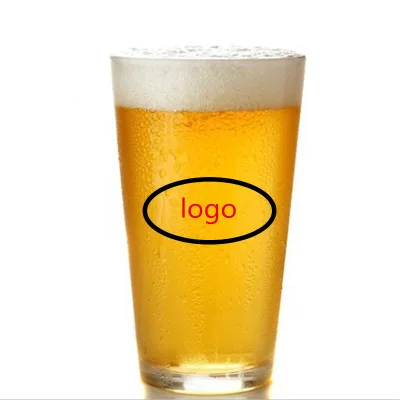
Selecting a reliable supplier requires a thorough assessment of their service capabilities beyond just product specifications. The observed data highlights several key service attributes: "ODM OEM Logo" acceptance, "Customized Logo" availability, and "Customization" as a general feature. This indicates that suppliers are equipped to handle both private labeling and original design manufacturing. The methods for logo application are diverse, including laser etching, spray painting, decals, and direct painting. Each method has different durability and cost implications; laser etching is generally more permanent and premium, while decals may be more cost-effective for short runs.
The origin of the products is consistently listed as China, with specific mentions of Hubei as a manufacturing hub. While this provides a geographical context, buyers should not rely solely on the province name for quality assurance. Instead, they must evaluate the supplier's production capacity, quality control infrastructure, and ability to scale. The "Feature: in Stock" attribute suggests that some suppliers maintain inventory for standard items, which can reduce lead times significantly. However, for customized orders, the lead time will extend based on the production cycle and the complexity of the branding.
Buyers should also scrutinize the packaging options. While "Carton Box" is the standard, some suppliers offer "Wooden Box" or "Customized" packaging. This flexibility is crucial for buyers who need to protect high-value glassware during transit or who require specific branding on the outer packaging for retail presentation. The ability to offer "by Sea, by Air, by Train" shipping options is also a positive indicator of a supplier's logistical maturity and ability to adapt to different freight scenarios.
Quality Control and Inspection Protocols
Ensuring the quality of glassware requires a rigorous inspection protocol that addresses both aesthetic and functional defects. Common issues in glass manufacturing include bubbles, stone inclusions, uneven wall thickness, and surface scratches. For pint glasses, the rim must be perfectly smooth to ensure a comfortable drinking experience, and the base must be stable to prevent tipping.
Given the fragility of the product, the packaging standard is a critical component of quality control. The observed standard of 48 pieces per carton with specific dimensions (e.g., 52x42x35 cm) implies a need for internal dividers or protective wrapping to prevent breakage during transit. Buyers should mandate that the supplier uses high-quality corrugated cardboard and internal cushioning materials. A "Gross Weight" of 0.800 kg per single unit or 14 kg per carton provides a benchmark for checking if the packaging is under-filled or over-packed, which can indicate quality control inconsistencies.
Third-party inspection services should be engaged to verify the product against the agreed specifications before shipment. This includes checking the volume capacity, verifying the presence and accuracy of certifications, and conducting a random sample breakage test to ensure the packaging can withstand standard shipping conditions. The "Sample Time" of 3-7 days allows for pre-production samples to be reviewed, but a final random inspection (AQL 2.5) is essential for the bulk order.
Long-Term Procurement and Market Considerations
Sourcing English pint beer glasses is not merely a transactional activity but a strategic decision that impacts the brand's reputation and operational efficiency. The "Application" field lists Bar, Hotel, Restaurant, and Home, indicating a versatile product that can serve multiple market segments. Buyers should consider the lifecycle of the product; high-quality glassware with durable branding can withstand repeated washing cycles in commercial dishwashers, whereas lower-quality options may degrade quickly, leading to higher replacement costs.
The "Design Style" being "Classic" or "Simple" suggests a timeless appeal, reducing the risk of the product becoming obsolete due to changing trends. However, the "Creative" style option also exists, offering buyers the flexibility to differentiate their offerings. For long-term partnerships, buyers should prioritize suppliers who demonstrate a commitment to continuous improvement in sustainability, such as using recycled glass materials or reducing energy consumption in the manufacturing process, as these factors are increasingly important in global supply chains.
Furthermore, the "Service" aspect of ODM/OEM capabilities allows buyers to adapt to market changes quickly. If a new beer style emerges that requires a specific glass shape, a supplier with strong R&D capabilities can assist in developing a new mold. This agility is a key differentiator in a competitive market. Buyers should also monitor the "Lead Time" and "MOQ" trends, as these can fluctuate based on raw material costs and global logistics conditions. Establishing a clear communication channel with the supplier to stay informed about potential disruptions is vital for maintaining a stable supply chain.
Conclusion
Procuring English pint beer glasses requires a meticulous approach that balances technical precision, regulatory compliance, and supplier reliability. By focusing on the specific capacity ranges of 16 oz to 20 oz, verifying certifications like LFGB and FDA, and understanding the cost drivers associated with customization and MOQs, buyers can make informed decisions. The observed data provides a solid foundation for evaluating potential suppliers, but the ultimate success of the procurement depends on rigorous quality control and a strategic long-term partnership. As the market continues to evolve, maintaining a focus on quality and compliance will ensure that the sourced glassware meets the high standards expected by bars, hotels, and consumers worldwide.
FAQs
What certifications are required for english pint beer glass?
Common certifications include LFGB, FDA, CE, ROHS, and REACH for food safety compliance. Buyers must verify that test reports specifically reference the product model to ensure the glass does not leach harmful substances.
Which capacity options are available for english pint beer glass?
Standard capacities typically range from 16 oz to 20 oz, with 480 ml being a common specification. Buyers should verify exact volume against local legal metrology requirements to ensure compliance for their specific market.
Can I get a free sample for english pint beer glass?
Suppliers often provide samples freely with a lead time of 3 to 7 days. This allows for physical verification of glass quality and branding methods before committing to a large bulk order.
What is the typical MOQ for english pint beer glass?
Minimum Order Quantities generally range from 240 to 4,800 pieces depending on customization. Standard clear glass may have lower thresholds, while units with custom logos often require higher volumes to amortize setup costs.
How is english pint beer glass packaged for shipping?
Standard packaging uses carton boxes containing 48 pieces per unit with specific dimensions like 52x42x35 cm. Some suppliers offer wooden boxes or customized packaging to protect high-value glassware during transit.
Which customization methods are available for english pint beer glass?
Logo application methods include laser etching, spray painting, decals, and direct painting. Each method offers different durability and cost implications, with laser etching generally being more permanent and premium.
What is the origin location for english pint beer glass?
Products are consistently manufactured in China, with Hubei identified as a specific production hub. Buyers should evaluate supplier capacity and quality control rather than relying solely on the province name for assurance.